Contact lenses
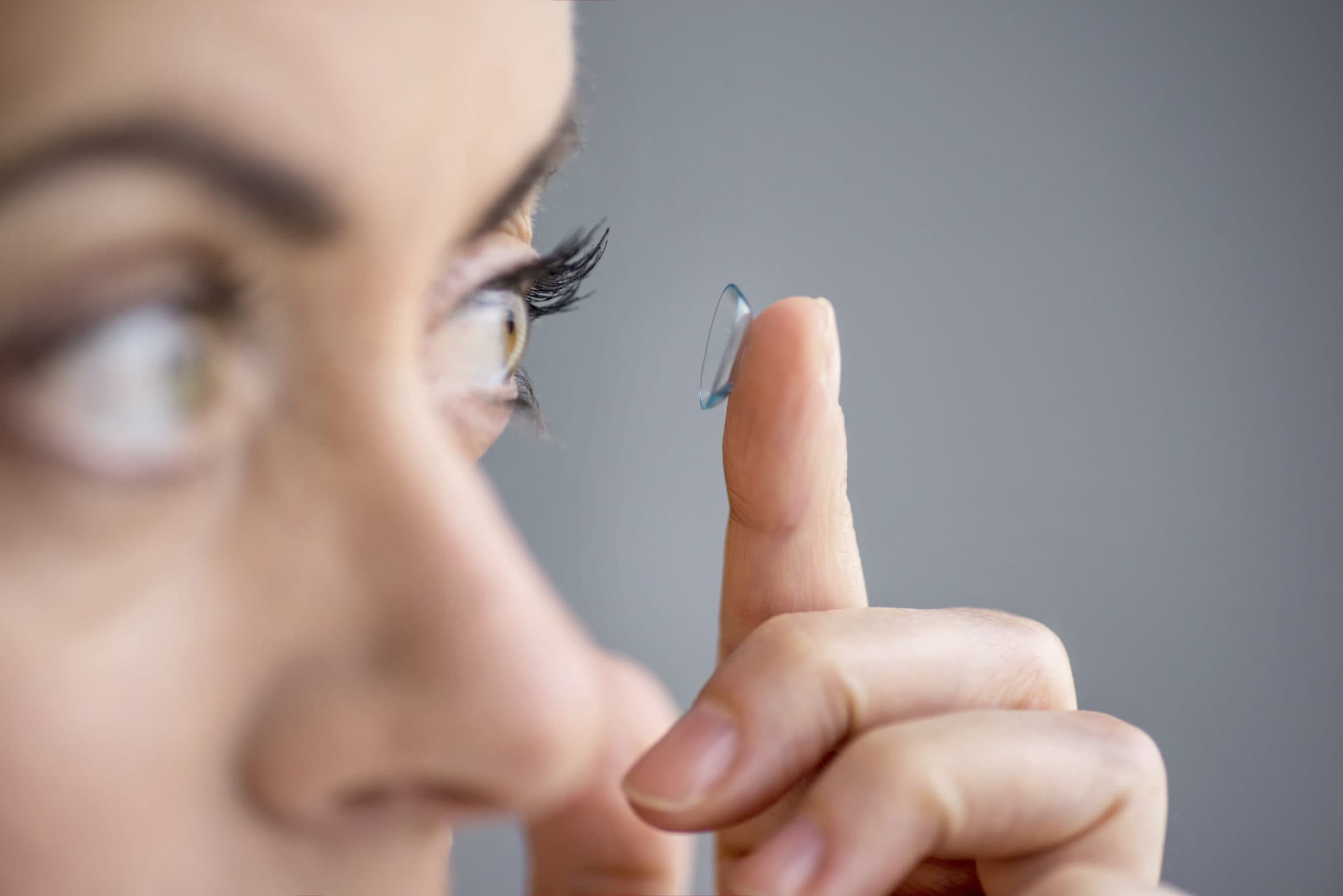
Contact lenses sit directly on the eye (or rather on the tear film) and thus free the visual field from any distortion. While corrective glasses slightly magnify (farsightedness) or slightly reduce (nearsightedness) the perceived image, lenses provide a 1:1 image.
Contact lenses correct farsightedness as well as nearsightedness, not to mention astigmatism.
There are also near and distance correction lenses for presbyopes. Prerequisites for wearing contact lenses: a thorough assessment ((link to “contact lens fitting”)), a custom fitting, regular eye and lens check-ups, as well as regular cleaning of the lenses.
Someone used to glasses will first have the impression that their field of vision is widening when they switch to contact lenses. Practical, easy to use, always with you!!!
Many athletes choose contact lenses to correct their vision.
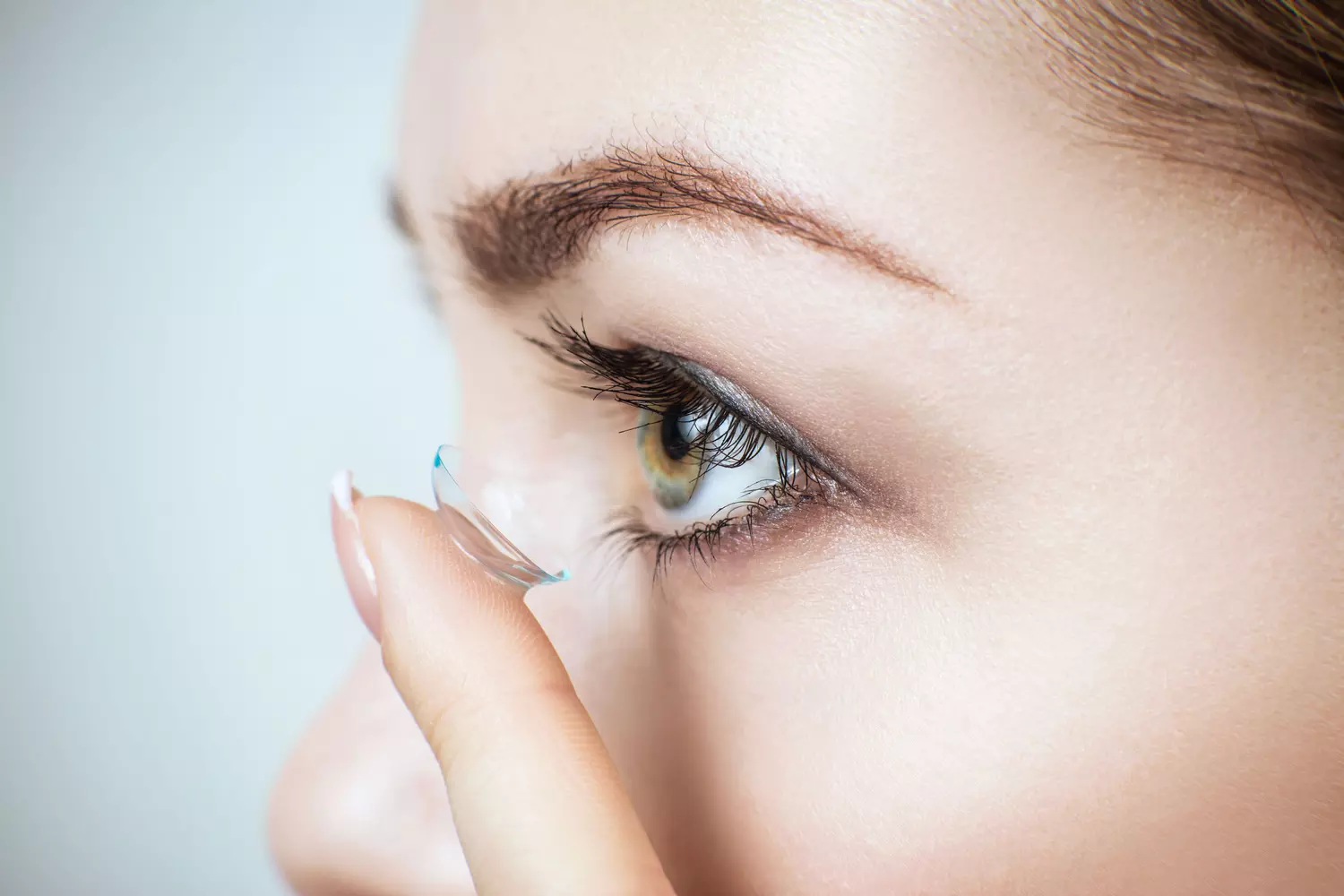
Soft contact lenses
Like a cushion filled with water, they are very comfortable to wear.
Soft contact lenses resemble a cushion filled with water, which makes them very comfortable to wear. With a larger diameter than rigid lenses, they cover the entire surface of the cornea. Depending on the correction and the type of daily use, it is possible to choose daily disposable, monthly, or even yearly soft contact lenses. Current materials allow excellent oxygenation of the cornea.
You can order your soft contact lenses by calling us directly at the store.
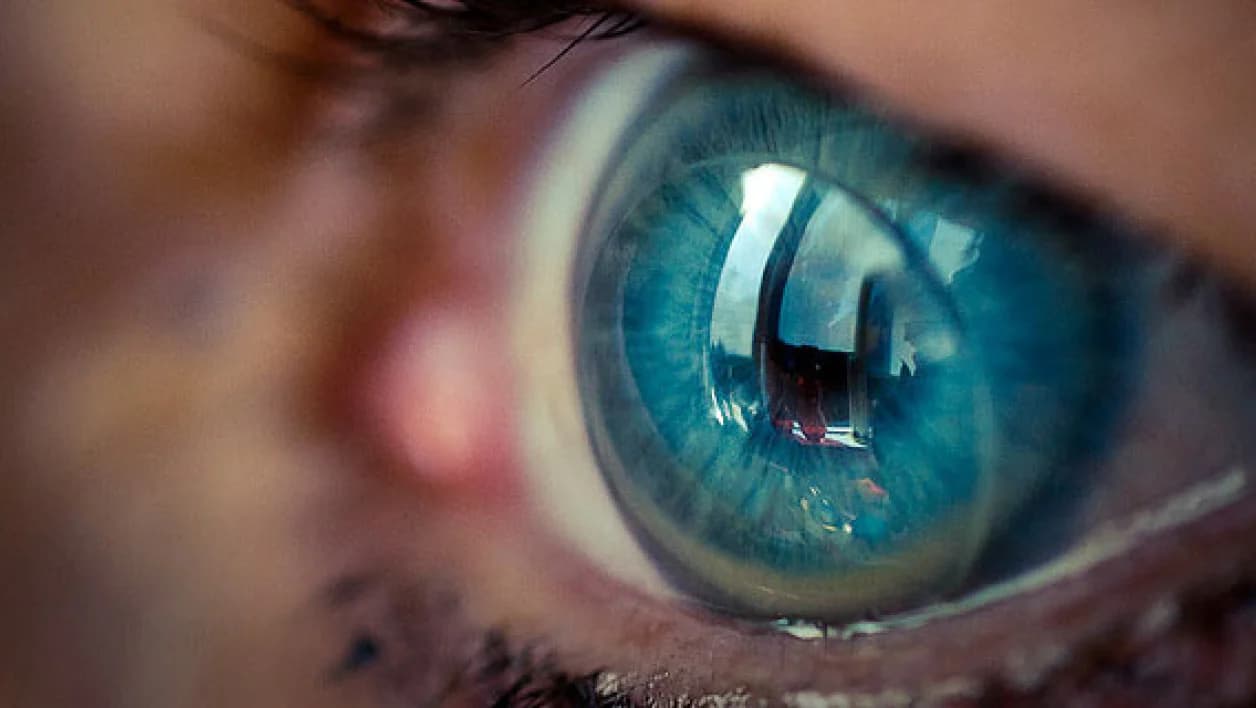
Rigid contact lenses
The rigid lens is adapted to the shape of the cornea.
Rigid contact lenses are hard and although they have a certain flexibility, they are brittle, unlike soft or disposable lenses that can be folded in two.
The diameter is much smaller and covers less of the eye.
Thanks to its cornea-adapted shape and small diameter, the rigid lens floats on the tears.
It does not touch the cornea and lets the oxygen needed for its survival pass underneath it.
These lenses are designed to be worn for a period of one to two years, which requires regular check-ups.
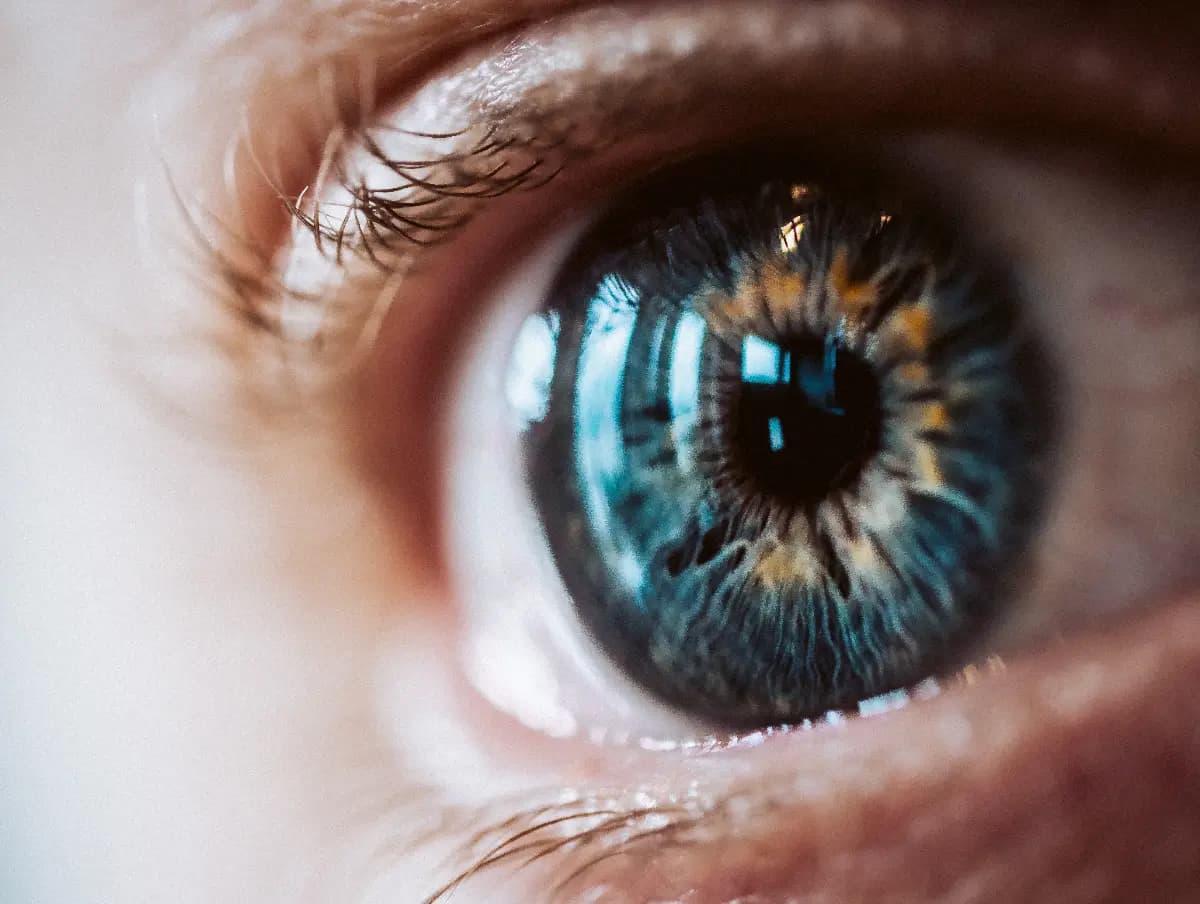
Orthokeratology lenses
They are designed to correct myopia in children.
A semi-rigid type of lens. Custom-made for each cornea, it is designed to correct myopia in children. Its special fit can actually help slow the progression of this visual defect. Its special feature: it is worn during sleep and, once removed in the morning, vision will be perfect without having to wear any other corrective aid.